
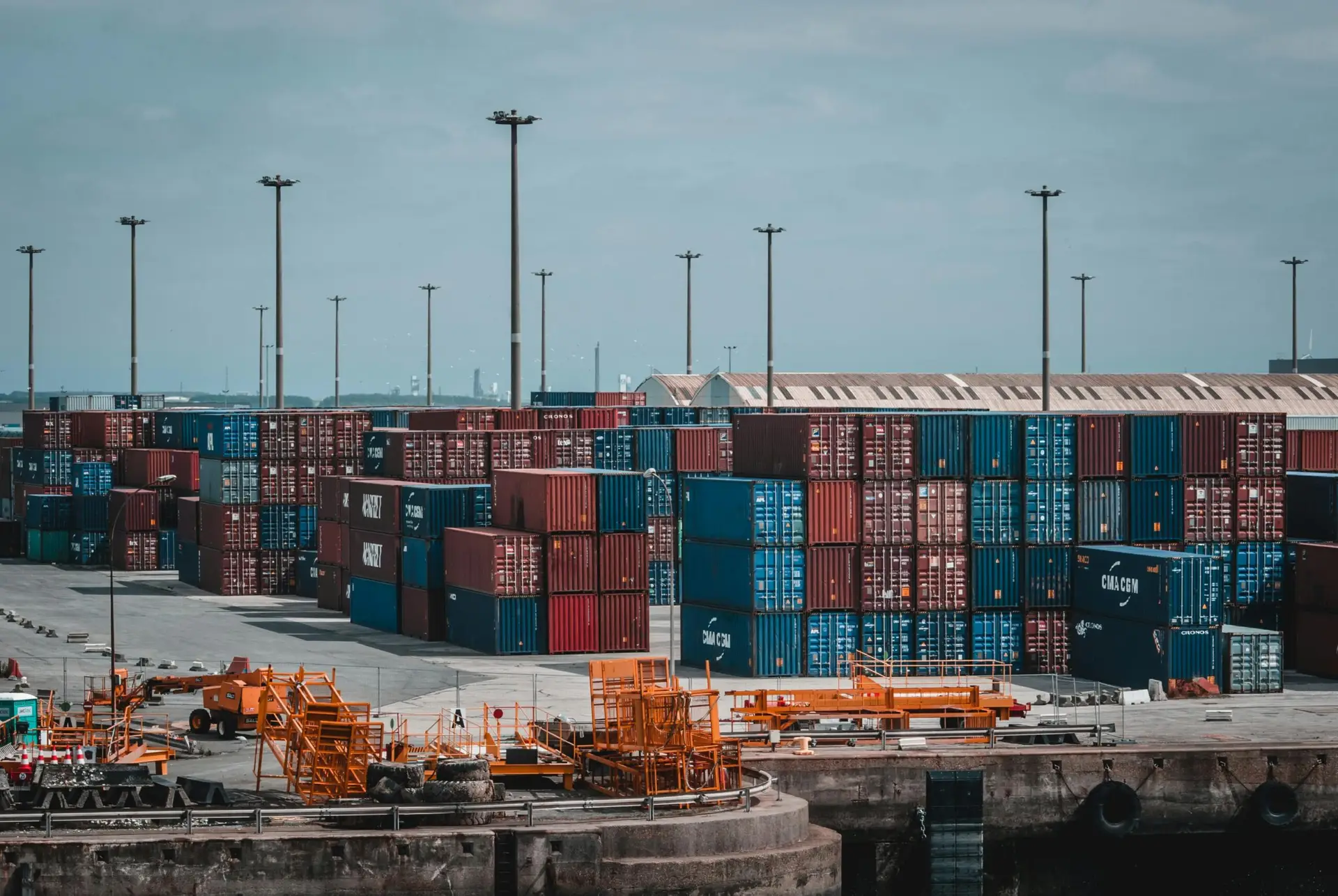
In August 2025, the Parliament of India passed the Indian Ports Act, 2025, a landmark piece of legislation that repeals the colonial-era Indian Ports Act, 1908. The new Act aims to create a modern legal framework to foster integrated port development, enhance cooperative federalism, and boost the global competitiveness of India’s maritime sector.
Background: The Ports Sector in India
Ports are the cornerstone of India’s economy, handling approximately 95% of the country’s export-import (EXIM) cargo by volume and 70% by value. The nation’s maritime infrastructure includes 12 Major Ports and over 200 non-major ports, with a 13th Major Port currently under development at Vadhavan, Maharashtra.
Key Provisions of the Indian Ports Act, 2025
The Act introduces several structural and regulatory reforms to align the port sector with modern requirements:
-
Strengthening Institutional Frameworks:
-
State Maritime Boards (SMBs): The Act grants formal statutory recognition to SMBs established by coastal states. It empowers them with the authority to plan, regulate, and manage non-major ports, including functions like licensing, tariff setting, and compliance monitoring.
-
Maritime State Development Council (MSDC): The MSDC has been accorded statutory status. This elevates its role to a primary national body for guiding Centre-State coordination, ensuring data transparency, providing policy advice, and formulating a national port plan.
-
-
Clear Administrative Authority:
-
Port Officers: The Act designates the government-appointed ‘conservator’ as the Port Officer, vesting them with clear powers over vessel movement, recovery of fees, port safety, and disease control. They are also empowered to adjudicate certain penalties.
-
-
Efficient Dispute Resolution Mechanism:
-
The Act mandates the establishment of Dispute Resolution Committees (DRCs) to ensure the timely and effective resolution of conflicts at non-major ports.
-
It provides a clear appellate pathway, with appeals lying before the respective High Courts. It also permits the use of arbitration for quicker resolution.
-
-
Transparent Tariff Regulation:
-
A differentiated approach to tariff setting has been adopted:
-
At Major Ports, tariffs are determined by the Major Port Authority Board or the Board of Directors of the concerned port company.
-
At Non-Major Ports, tariffs are fixed by the State Maritime Board or the concessionaire.
-
-
For transparency, the Act makes it mandatory for all tariff schedules to be published online.
-
-
Emphasis on Safety, Security, and Sustainability:
-
The Act introduces stringent penalties for safety and security breaches.
-
It aligns India’s maritime regulations with key international conventions, such as MARPOL (International Convention for the Prevention of Pollution from Ships) and the Ballast Water Management Convention.
-
It mandates that ports implement pollution control measures and maintain robust disaster readiness plans, with provisions for central audits to ensure compliance.
-
-
Promoting Digitalisation and Ease of Doing Business:
-
The Act provides a framework for implementing modern digital systems like the Maritime Single Windowand Advanced Vessel Traffic Systems (VTS). These initiatives aim to streamline port operations, reduce congestion, and improve overall efficiency.
-
Conclusion
The Indian Ports Act, 2025, marks a paradigm shift from a fragmented, century-old regulatory system to a modern, integrated, and decentralized framework. By empowering state-level institutions, clarifying administrative roles, and embedding principles of sustainability and digitalisation, the Act is poised to unlock the full potential of India’s maritime sector. It aims to create a more competitive, efficient, and environmentally conscious port ecosystem, strengthening India’s position in global trade and commerce.