
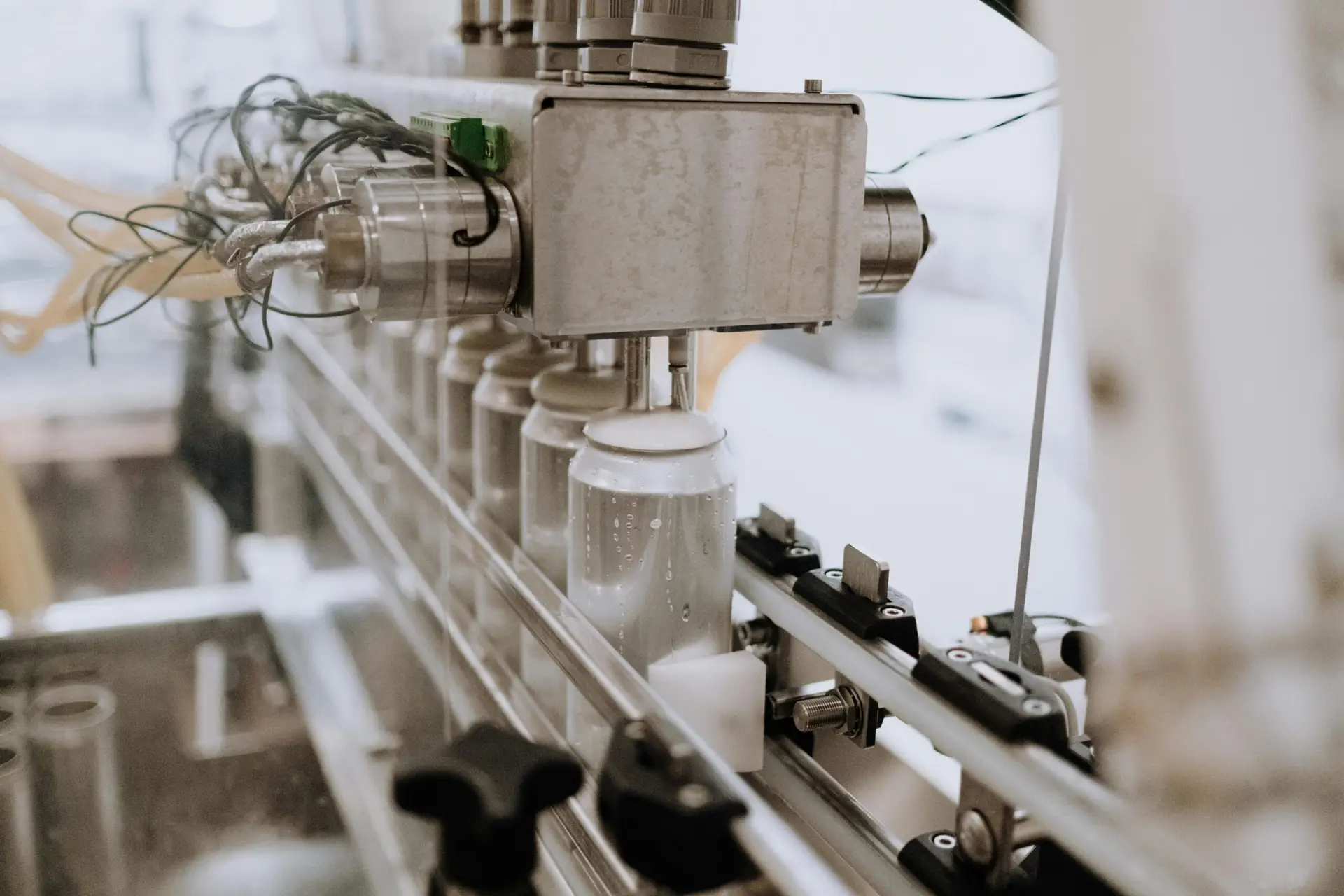
India’s Food Processing Sector: Opportunities, Challenges, and the Path to Becoming a Global Hub
The fourth edition of World Food India (WFI) 2025, organized by the Ministry of Food Processing Industries (MoFPI), recently concluded, underscoring India’s ambition to establish itself as a ‘Global Food Hub’. The event witnessed the signing of Memoranda of Understanding (MoUs) valued at over ₹1 lakh crore, signaling significant investment and growth potential in the sector.
The Landscape of India’s Food Processing Sector
Food processing involves transforming raw agricultural produce into commercially valuable, edible products. It is a critical sector that bridges agriculture and manufacturing.
Statistical Snapshot:
-
Global Agricultural Powerhouse: India is the largest producer of milk, pulses, and onions, and the second-largest producer of rice, wheat, sugarcane, fruits, and vegetables.
-
Export Growth: Agricultural and processed food exports reached USD 49.4 billion in 2024–25, with the share of processed foods in this basket rising significantly to 20.4%.
-
Significant Employer: The sector provides employment to over 6.9 million people across registered and unregistered units, playing a vital role in rural livelihoods.
-
Infrastructural Support: The ecosystem is supported by 24 operational Mega Food Parks and a substantial increase in registered food businesses.
Key Government Initiatives to Promote the Sector
The government has launched several schemes to create a conducive environment for growth:
-
Production Linked Incentive (PLI) Schemes: Includes the PLI Scheme for Food Processing Industry (PLISFPI) to promote Indian brands globally and the PLI Scheme for Millet-based Products (PLISMBP) to encourage value-added millet products.
-
Pradhan Mantri Kisan Sampada Yojana (PMKSY): An umbrella scheme aimed at creating modern infrastructure, including integrated cold chains and value addition facilities, to reduce post-harvest losses.
-
PM Formalisation of Micro Food Processing Enterprises (PMFME) Scheme: A centrally sponsored scheme that provides financial, technical, and business support to upgrade and formalize micro-food processing units in the unorganized sector.
-
Investment and Infrastructure Policies: The ‘Make in India’ campaign allows 100% Foreign Direct Investment (FDI) in the food processing sector, while the Mega Food Park Scheme provides integrated ‘farm-to-fork’ infrastructure.
Opportunities and Challenges
Opportunities:
-
Expanding Domestic Market: Valued at USD 336 billion in 2023 and projected to double by 2032, the sector’s growth is fueled by rising incomes and urbanization, which drives demand for packaged and convenience foods.
-
Growing Health Consciousness: There is a rising consumer preference for organic, wellness, and plant-based products, with the Indian organic market projected to reach ₹75,000 crore by 2025.
-
Technological Advancement: The adoption of AI, IoT, automation, and smart packaging is enhancing efficiency, quality, and traceability, making Indian products globally competitive.
-
Rural Employment Generation: The sector, dominated by MSMEs, has immense potential to generate non-farm employment in rural areas, thereby increasing farmer incomes and reducing distress migration.
Challenges:
-
Infrastructural Deficit: Inadequate cold chain, storage, and logistics infrastructure leads to high post-harvest losses (approx. ₹90,000 crore annually) and food wastage.
-
Credit and Technology Gaps for MSMEs: Small and medium enterprises often struggle with access to affordable credit and the high cost of modern technology, limiting their competitiveness.
-
Regulatory Complexity: The sector is governed by multiple agencies (FSSAI, APEDA, BIS), creating a “regulatory labyrinth” with high compliance costs and a lack of a single-window clearance system.
-
Sub-optimal Export Performance: India’s share of processed food in its total agricultural exports remains low compared to global peers. Frequent quality-related rejections and a lack of harmonization between Indian and global standards hinder export potential.
Way Forward: A Strategic Roadmap
To overcome these challenges and leverage the opportunities, a multi-pronged strategy is required:
-
Integrated Infrastructure Development: Focus on creating integrated food processing clusters at the farm-gate level with common facilities like cold storage, labs, and logistics support to reduce costs and wastage.
-
Technology-Driven Supply Chains: Leverage technologies like blockchain for traceability, IoT for real-time monitoring, and AI for demand forecasting to build efficient and transparent value chains.
-
Financial Inclusion and Support: Design sector-specific credit products with flexible repayment schedules aligned with crop cycles and provide incentives to attract private equity and venture capital into food-tech.
-
Regulatory Simplification: Establish a single-window clearance system through a unified digital platform to streamline approvals and reduce compliance burdens for businesses.
-
Harmonization of Quality Standards: Align domestic food safety and quality standards with global benchmarks like Codex Alimentarius to enhance export competitiveness and reduce rejections.
-
Fostering Innovation: Promote R&D through Food Innovation Labs and create a national repository of traditional food processing techniques that can be scaled up commercially.
Conclusion
India’s food processing sector stands at a critical juncture, possessing immense potential driven by a strong agricultural base and a vast domestic market. Realizing the vision of becoming a ‘Global Food Hub’ requires a concerted effort to address structural challenges in infrastructure, finance, and regulation. By effectively implementing targeted policies and fostering an ecosystem of innovation, India can not only ensure food and nutritional security for its population but also emerge as a dominant player in the global food value chain.
UPSC Civil Services Examination Previous Year Question (PYQ)
Prelims
Q. With what purpose is the Government of India promoting the concept of “Mega Food Parks”? (2011)
- To provide good infrastructure facilities for the food processing industry.
- To increase the processing of perishable items and reduce wastage.
- To provide emerging and eco-friendly food processing technologies to entrepreneurs.
Select the correct answer using the codes given below:
(a) 1 only
(b) 1 and 2 only
(c) 2 and 3 only
(d) 1, 2 and 3
Ans: (b)
Mains
Q. What are the challenges and opportunities of the food processing sector in the country? How can the income of the farmers be substantially increased by encouraging food processing? (2020)
Q.What are the reasons for the poor acceptance of a cost-effective small processing unit? How can the food processing unit be helpful to uplift the socioeconomic status of poor farmers? (2017)