
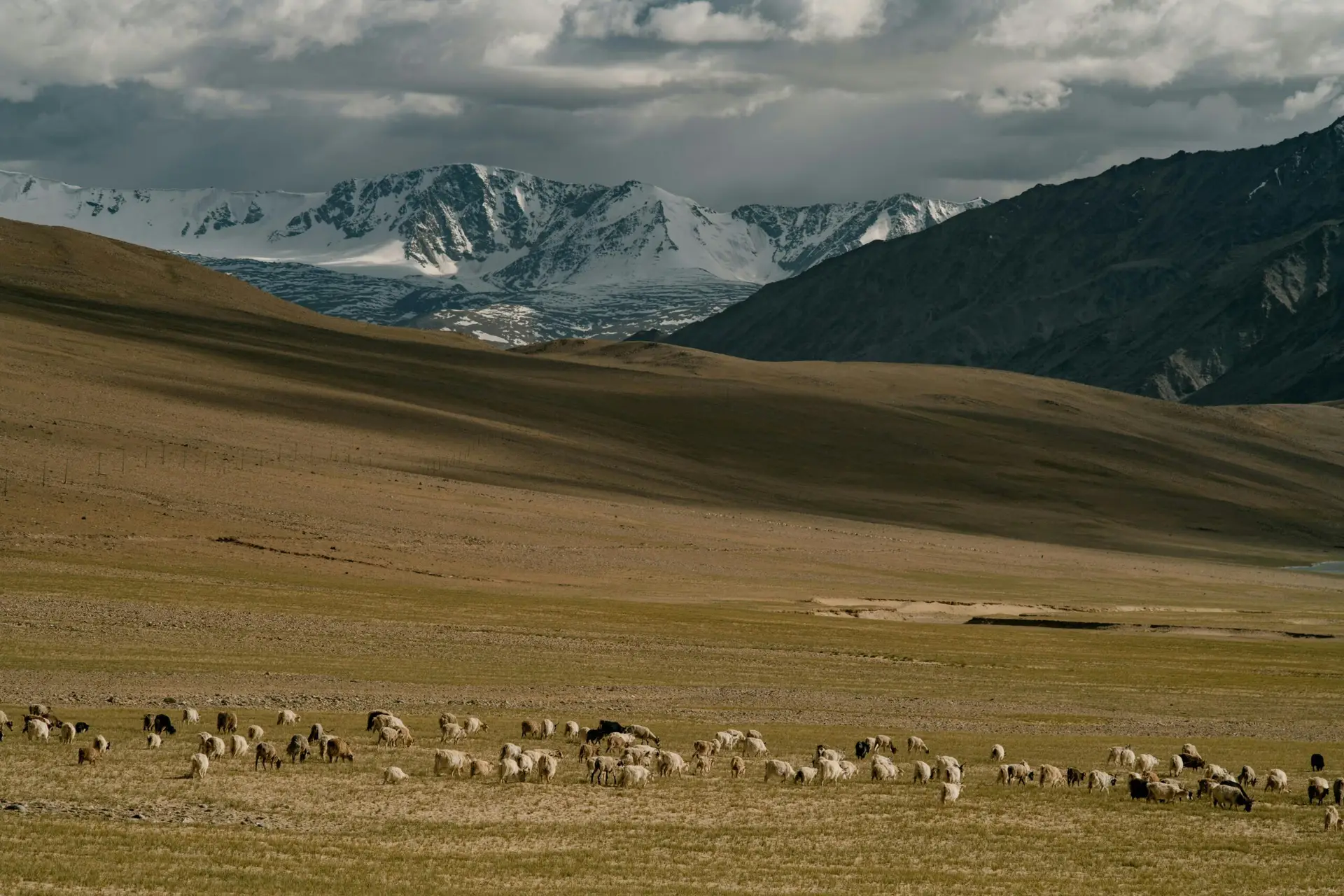
Ladakh has witnessed significant protests demanding statehood and inclusion under the Sixth Schedule of the Indian Constitution. This discontent stems from apprehensions among its predominantly tribal population regarding the dilution of constitutional safeguards, political autonomy, and cultural identity following its reorganization as a Union Territory without a legislature in 2019.
What is the Sixth Schedule of the Indian Constitution?
The Sixth Schedule is a constitutional provision designed to protect and empower tribal communities through self-governance.
-
Constitutional Basis: It is enshrined under Articles 244(2) and 275(1), based on the recommendations of the Bardoloi Committee.
-
Objective: To safeguard the rights, culture, land, and traditional governance systems of tribal populations, ensuring their autonomy within the framework of the Indian Union.
-
Mechanism: It provides for the establishment of Autonomous District Councils (ADCs) and Autonomous Regional Councils (ARCs).
-
Formation: The Governor is empowered to create, reorganize, and define the boundaries of these councils. An autonomous district with diverse tribal populations can be divided into multiple Autonomous Regions.
-
Composition: An ADC typically consists of up to 30 members, with 26 elected and 4 nominated by the Governor for a five-year term. (The Bodoland Territorial Council in Assam is an exception with over 40 members).
-
Current Application: Currently, 10 ADCs are functional across four northeastern states: Assam, Meghalaya, Mizoram, and Tripura.
-
-
Powers of ADCs and ARCs:
-
Legislative: Councils can frame laws on subjects like land use, forest management, agriculture, village administration, inheritance, marriage, divorce, and social customs. All such laws require the Governor’s assent.
-
Judicial: They can constitute village courts to adjudicate disputes between Scheduled Tribes, with jurisdiction limited to non-heinous crimes.
-
Executive: They are responsible for establishing and managing primary schools, dispensaries, markets, roads, and other local infrastructure.
-
Financial: They have the authority to levy and collect taxes, including land revenue and other local tolls.
-
Arguments for Granting Sixth Schedule Status to Ladakh
-
Political Disempowerment and Democratic Deficit:
-
Post the 2019 reorganization of Jammu and Kashmir, Ladakh became a Union Territory without a legislature. This led to a loss of direct political representation, as it previously had four members in the J&K Assembly.
-
Governance has shifted towards a more bureaucratic model, creating a sense of alienation and fear of marginalization in decision-making processes.
-
-
Protection of Tribal Identity and Land Rights:
-
With over 97% of its population belonging to Scheduled Tribes, Ladakh has a unique demographic and cultural composition.
-
Apprehensions exist that the new domicile policy could lead to an influx of outsiders, threatening local land ownership, employment opportunities, and demographic stability.
-
The National Commission for Scheduled Tribes (NCST) had recommended Ladakh’s inclusion in the Sixth Schedule in 2019 to protect its unique cultural and ecological heritage.
-
-
Inadequacy of Existing Autonomous Councils:
-
Ladakh currently has two Ladakh Autonomous Hill Development Councils (LAHDCs) in Leh and Kargil.
-
However, these councils are not constitutionally protected under the Sixth Schedule and possess limited powers, primarily related to local taxation and land allotment, lacking substantive legislative and executive authority.
-
-
Environmental and Ecological Safeguards:
-
Ladakh’s fragile ecosystem is under immense pressure from rising tourism (over 5 lakh tourists in 2023) and large-scale infrastructure projects.
-
Sixth Schedule status would empower local bodies to legislate on environmental management, ensuring that development is sustainable and aligned with traditional practices.
-
-
Economic Aspirations and Unemployment:
-
The high graduate unemployment rate (approx. 26.5%) highlights the disconnect between development policies and local needs.
-
Greater autonomy would enable the formulation of economic policies focused on local job creation and resource management.
-
Challenges in Granting Sixth Schedule Status
-
Constitutional and Legal Hurdles: The Sixth Schedule was originally designed for the tribal areas of the Northeast. Extending it to Ladakh would require a constitutional amendment.
-
National Security Implications: Given Ladakh’s strategic location bordering China and Pakistan, enhancing local autonomy could pose challenges to the coordination of security and administration in a sensitive border region.
-
Administrative and Governance Issues:
-
Experience from northeastern states indicates that ADCs often suffer from financial dependency on state governments and political interference, which can undermine their effectiveness.
-
There may be a lack of administrative capacity and trained personnel within local councils to effectively manage the expanded powers and responsibilities.
-
-
Risk of Setting a Precedent: Granting this status to Ladakh could trigger similar demands from other tribal-majority regions across the country, potentially complicating national tribal policy.
Government’s Alternative Measures
In response to local demands, the Union government has implemented several measures:
-
Employment Reservation: 85% of government jobs have been reserved for locals under the Domicile Certificate Rules, 2025.
-
Political Representation: One-third of seats in the LAHDCs are reserved for women, aligning with the 73rd Amendment Act’s provisions for Panchayats.
-
Cultural Protection: Several local languages, including Bhoti, Purgi, Shina, and Ladakhi, have been promoted alongside official languages.
Way Forward: A Balanced Approach
A middle path is necessary to reconcile Ladakh’s aspirations with national interests.
-
Empowering LAHDCs: Instead of direct inclusion in the Sixth Schedule, the existing LAHDCs could be strengthened through a special Act of Parliament, granting them greater legislative, financial, and executive powers over local issues like environment, tourism, and resource management.
-
Ensuring Security and Strategic Oversight: The Union government must retain control over critical areas like defense, border management, and strategic infrastructure while devolving other governance functions.
-
Sustainable Development Model: Empower local bodies to create a framework for development that balances economic growth with ecological preservation, such as by regulating tourism and renewable energy projects.
-
Economic Empowerment: Establish skill development and innovation hubs focused on local strengths like renewable energy, handicrafts, and sustainable agriculture to address youth unemployment.
Conclusion
The demand for Sixth Schedule status in Ladakh underscores a critical need to balance regional autonomy, cultural preservation, and developmental aspirations with the imperatives of national security. A pragmatic and consultative approach, possibly through a unique constitutional arrangement that strengthens the LAHDCs, could be the most effective way to address local grievances, rebuild trust, and ensure that Ladakh’s development is both inclusive and sustainable.